
Protection training is one of those topics that gets people passionately divided, wildly confused, or embarrassingly confident about things they’ve never actually done.
It’s a discipline that sits at the crossroads of instinct, skill, pressure, genetics, and communication.
Done well, it produces the most stable, reliable, and impressive working dogs you’ll ever meet.
Done poorly, it creates exactly what the internet thinks protection dogs are — stressed, reactive, unsafe animals rehearsing the wrong behaviours.
Before we go any further, let’s clear up the biggest misconception: protection training is not just “dog sports.” It includes security work, civil work, law enforcement, military K9 operations, personal protection, corrections work and, yes, sport formats like IPO/IGP, Mondio and PSA.
Those worlds intersect, but the pictures, rules, expectations and outcomes are not the same.
A dog trained for a predictable IGP routine is not the same as a dog who works a real threat in an uncontrolled environment, and a dog trained for civil scenarios isn’t necessarily prepared for the stylised trial work of a sport field.
The foundation overlaps; the purpose does not.
What I want to do in this post is give you a clear, grounded, myth-free explanation of protection work: what it really is, who it’s for, why it’s misunderstood, and what actually determines whether a dog can be successful in it.
Think of this as Protection Training 101 — the version I wish existed when I first started trying to decode this world from the outside.
Table of Contents
What Protection Training Really Is (And What It Isn’t)
Protection training at its core is about teaching a dog to identify, interpret, and respond to threat with clarity — not chaos. It is the deliberate development of controlled aggression, contained through obedience, communication, and handler–dog connection.
It is not about creating a “tough dog.” It is about creating a dog who can handle pressure without falling apart.
The key word here is pressure.

Pressure isn’t physical force. It’s not hitting a dog, intimidating a dog, or “dominating” a dog.
Pressure is environmental, emotional, tactical information the dog must interpret: a stranger moving toward the handler, a decoy showing certain body language, the presentation of a sleeve, the concealment of a threat, the sound of footsteps behind a door, or the moment the handler disengages during a tactical withdrawal.
Protection training teaches the dog to read those pictures correctly and respond appropriately — not reactively.
The Role of the Decoy: More Teacher Than Target
One of the biggest misconceptions about protection work is that the decoy is “the person getting bitten.”
Decoys aren’t victims; they’re teachers.
They shape the dog’s picture, they build the dog’s confidence, they teach the dog where to channel drive, and they help the dog learn to stay clear-headed during conflict.
A good decoy shows the dog:
• when to pursue
• when to hold
• when to push forward
• when to disengage
• how to handle pressure
• how to interpret defensive cues
• how to stabilise during arousal
A bad decoy? They’ll confuse the dog, overwhelm the dog, or worse — teach the wrong picture so consistently that the dog becomes unreliable.
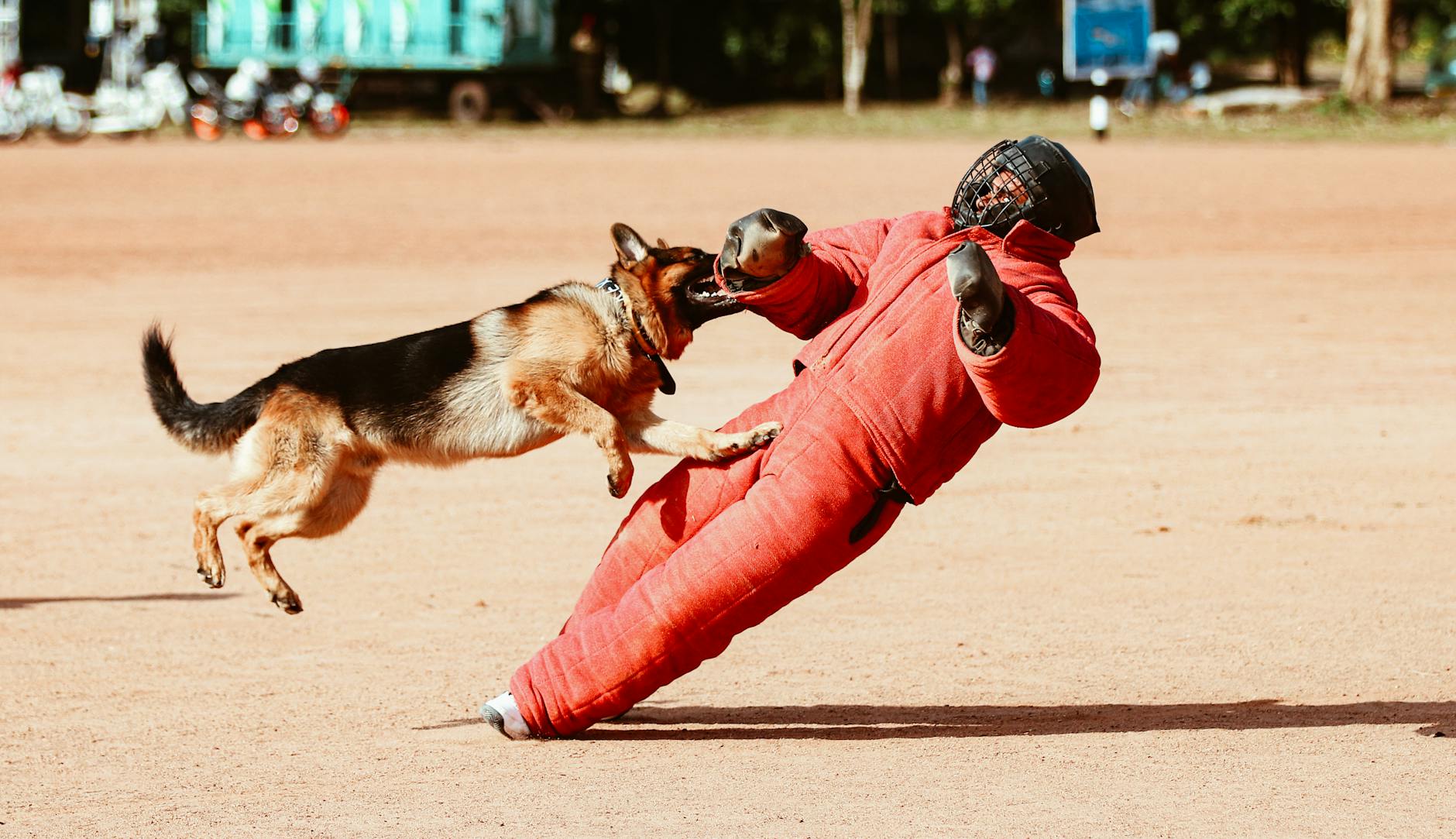
The most common example of this is inexperienced decoys who move too much, too fast, too chaotically, and accidentally teach the dog that movement equals threat.
This leads to over-arousal, poor judgement, and dogs who respond to animation rather than true pressure.
The Role of the Handler: Calm Mind, Clear Picture
If the decoy builds the conflict picture, the handler builds the emotional picture.
Your state becomes your dog’s state.
If you’re nervous, hesitant, stiff on the leash, or mentally scattered, your dog will pick that up immediately.
Protection training exposes this more brutally than any other discipline.
Good handlers communicate cleanly:
• neutrality on the approach
• clarity during obedience
• commitment during disengagement
• calmness during conflict
• consistency in their cues
Bad handling leads to dogs who second-guess, stress, overthink, or overreact.
And in real protection work, that isn’t just messy — it’s unsafe.
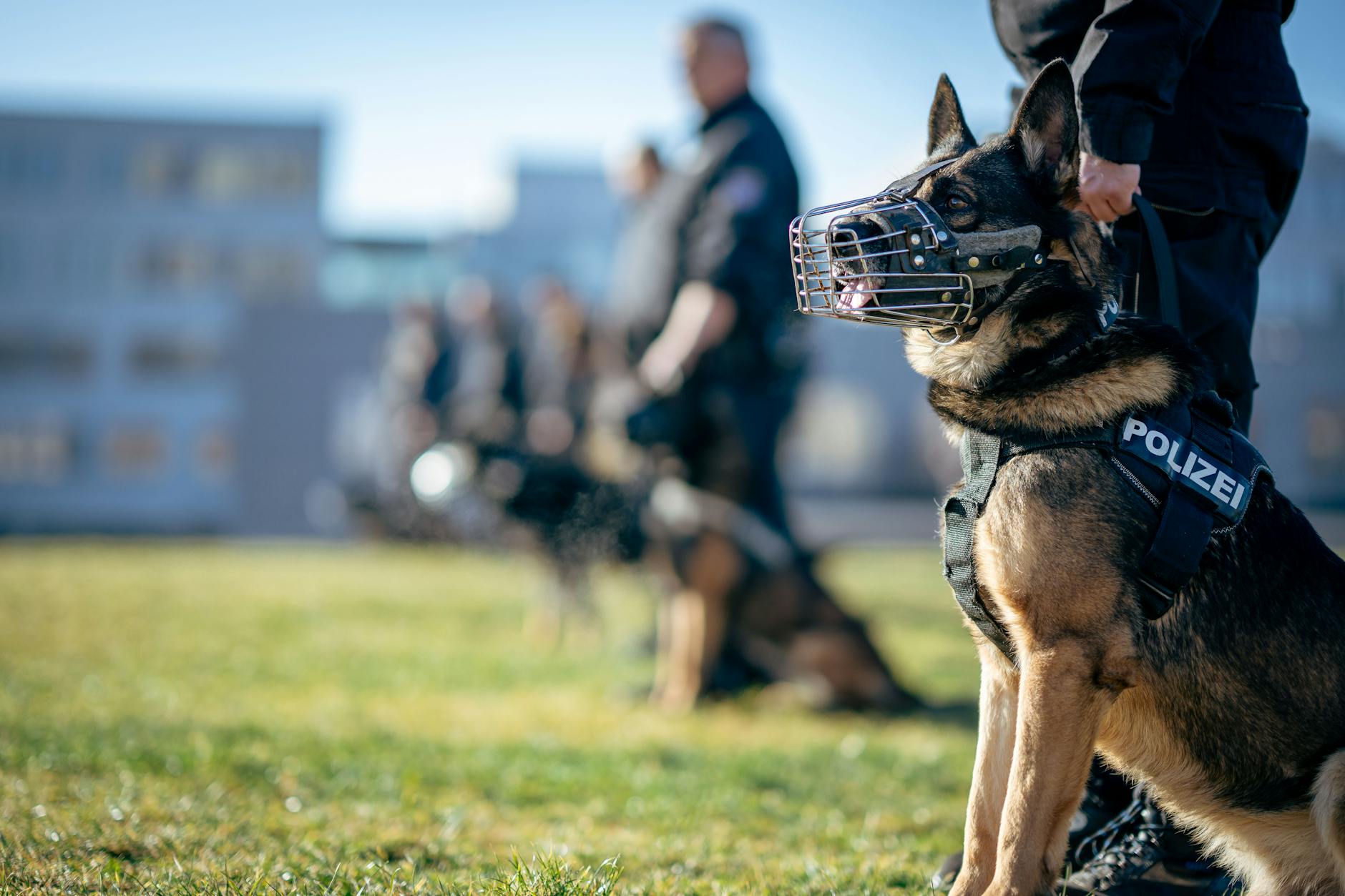
How a Protection Dog Is Made: Genetics First, Training Second
No amount of training can create what genetics didn’t put there.
True working protection dogs share several traits:
• stable nerves
• environmental confidence
• clear recovery
• natural drive
• ability to take and interpret pressure
• solid grip mechanics
• persistence
• ability to switch between drives cleanly
Breed alone doesn’t guarantee this.
Plenty of working-line dogs aren’t actually suitable for work, and some mixed breeds surprise you with remarkable clarity.
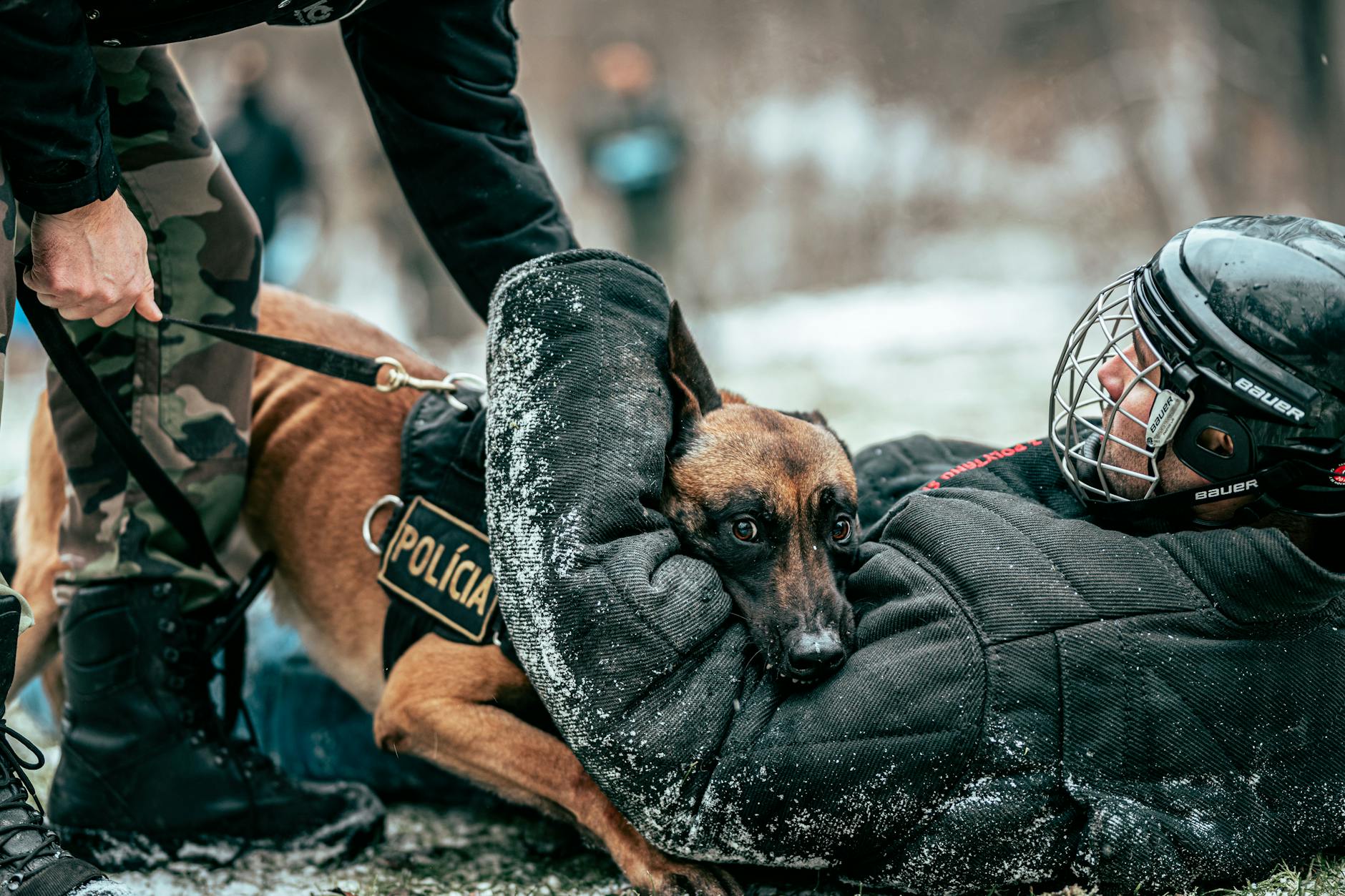
But in breeds designed for protection — Dobermans, Malinois, German Shepherds, Rottweilers, Bouviers, etc. — genetics give you the foundation.
Training then builds on that foundation: clarifying behaviours, sharpening responses, teaching discrimination, and conditioning obedience under conflict.
Understanding Drive: Prey vs Defence vs Fight
Drive is one of those words people throw around constantly without really understanding. Here’s the simple version:
Prey Drive: Playfulness, chasing, movement, fun. This is where most beginners start — tug work, sleeves, confidence building. Prey is non-threatening and helps dogs feel powerful.
Defence Drive: Responding to perceived threat. Here the dog is pushing back against something confronting. If introduced too early or too harshly, it creates avoidance or rehearsed reactivity.
Fight Drive: The dog enjoys the confrontation itself. This isn’t “wanting to fight.” This is clarity, pressure-tolerance, and confidence. True working dogs operate in fight drive during conflict, not frantic prey or panicked defence.
All three drives matter. All three are used. And the decoy’s job is to develop them deliberately — not accidentally.
A dog worked incorrectly in defence too early becomes a mess. A dog worked only in prey never learns how to handle real pressure. A dog thrown into conflict too soon may break.
Drive is a system. And it’s the decoy who builds it — or ruins it.
How Operational, Civil, and Sport Pictures Differ
The public tends to confuse sport protection work (IPO/IGP, PSA, Mondio, Ring) with operational work (security, police, military, corrections). But these fields ask for very different things.
Sport Pictures:
• predictable scenarios
• stylised movements
• strict rules
• clear trial routines
• a focus on precision and scoring
Operational / Civil Pictures:
• unpredictability
• real pressure and threat
• tactical movement
• decision-making under stress
• situational awareness
• environmental challenges
• real human intent
A sport dog can be brilliant and still not be suited for civil deployment. And a civil dog may excel in conflict but be too much dog for the sport field.
Neither is “better” — they’re different tools for different jobs.
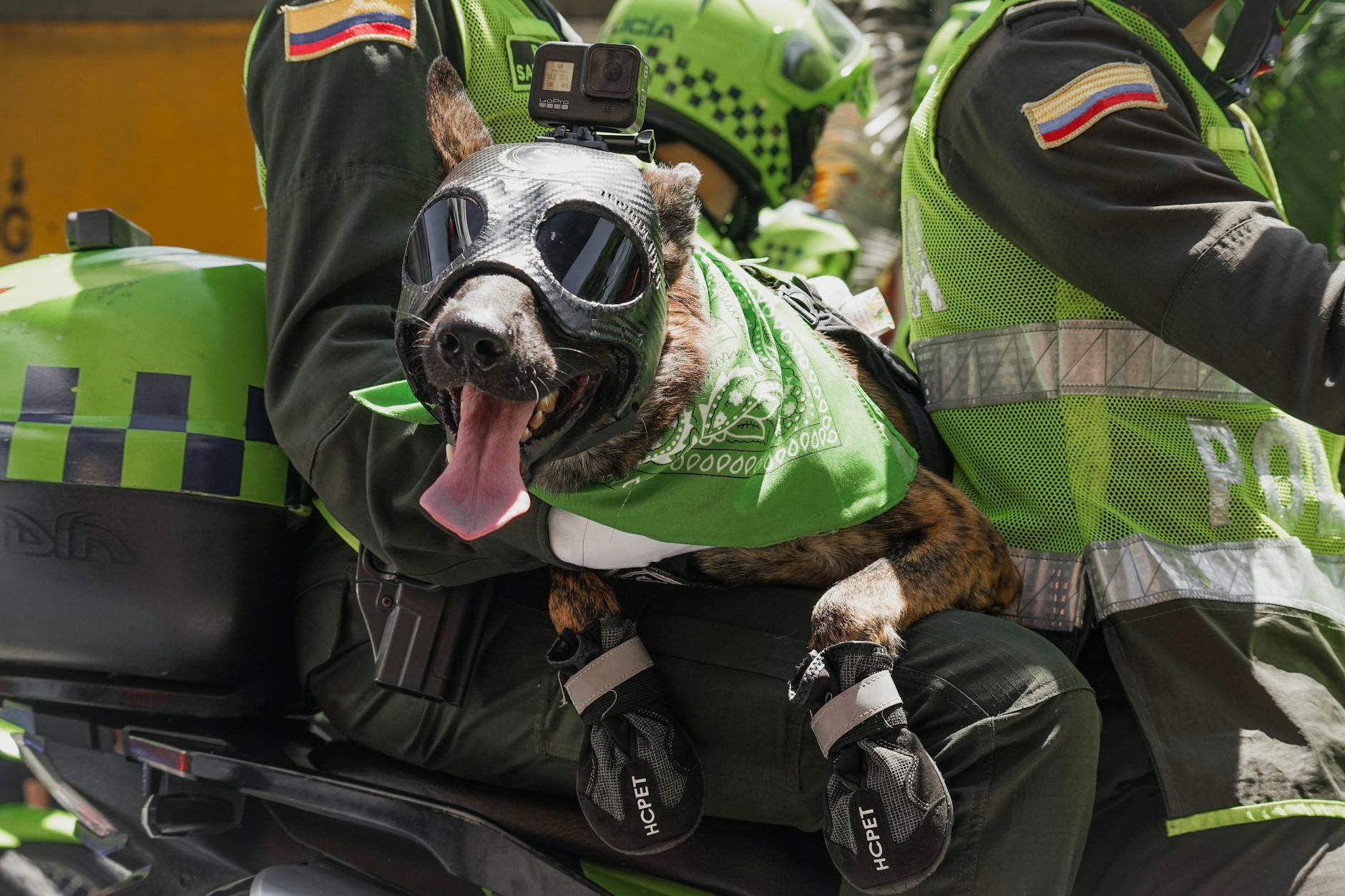
The Importance of the Picture
Protection training is a picture-based system. The picture tells the dog:
• is there a threat?
• is it passive or active?
• do I pursue or hold?
• do I guard or re-engage?
• is this play or conflict?
• is the pressure real or staged?
If the picture presented by the handler or decoy is unclear, inconsistent, or incorrect, the dog will behave incorrectly.
They aren’t being stubborn or defiant — they’re responding to the information they’ve been given.
How to Choose a Good Trainer or Decoy
The trainer matters as much as the breed, lineage, or driving style combined.
Here’s what separates professionals from pretenders:
Good trainers:
• explain the picture they’re building
• move cleanly and deliberately
• condition confidence, not chaos
• know how to use pressure correctly
• tailor the work to each dog
• communicate clearly with the handler
• prioritise recovery as much as engagement
• know when to slow down
• keep sessions short and purposeful
• build wins, not overwhelm
Red flags:
• chaotic movement
• yelling or theatrics
• pushing dogs into defence too early
• confusion mistaken for disobedience
• treating over-arousal as “good drive”
• refusing to explain anything
• punishing dogs for unclear pictures
• skipping obedience inside protection work
• inconsistent equipment use
• ego-driven coaching
If you see multiple red flags, leave. Protection work is too high-stakes to “see how it goes.”
FAQ: Protection Training Questions, Answered Simply
Does protection training make dogs aggressive?
No. Poor training does. Correct protection training creates stability, not aggression.
Can my dog start young?
Yes — foundations like tug work, play, confidence building and environmental exposure can start at 8–12 weeks. True pressure waits until emotional maturity (18–24 months+).
Can females do protection work?
Absolutely. Many females learn faster, think cleaner and recover quicker than males.
Is protection work safe for family dogs?
When done correctly — yes. When done poorly — absolutely not.
What’s the difference between sport and operational protection?
Sport: stylised, predictable, rule-bound.
Operational: chaotic, tactical, threat-based.
The foundations overlap, but the pictures are entirely different.
Does my dog need to be a “tough” dog to do protection work?
No. You need clarity, stability, and good nerves — not bravado.
Do I need experience?
No — just a willingness to learn, listen, and leave your ego at the door.
The Handler–Decoy–Dog Triangle
Protection work is not just “the dog doing the thing.” It is a relationship between:
• the decoy (pressure picture)
• the handler (emotional picture)
• the dog (behavioural picture)
Each one influences the other two. When all three are in sync, the work is stunning. When they’re not, you see hesitation, confusion, reactivity, or stress.
Connection matters. So does clarity. So does the handler’s internal state.
Dogs read the whole triangle — not just the person holding the leash.
Final Thoughts
Protection training is not a game for the unskilled or the impatient. It is an art form built on pressure, communication, connection, and clarity. It demands as much from the handler as it does from the dog. It removes your ability to hide behind excuses and exposes the real state of your relationship.
But when done well, it creates something incredible — a dog who thinks clearly in conflict, who works with commitment and confidence, who understands pressure, and who stays stable in the real world.
If you want more posts like this — deeper, clearer breakdowns of protection concepts, dog behaviour, and working-dog development — join my Stormforge Monthly newsletter. It’s where I share the long-form, honest, behind-the-scenes pieces that don’t fit on social media.
Leave a Reply