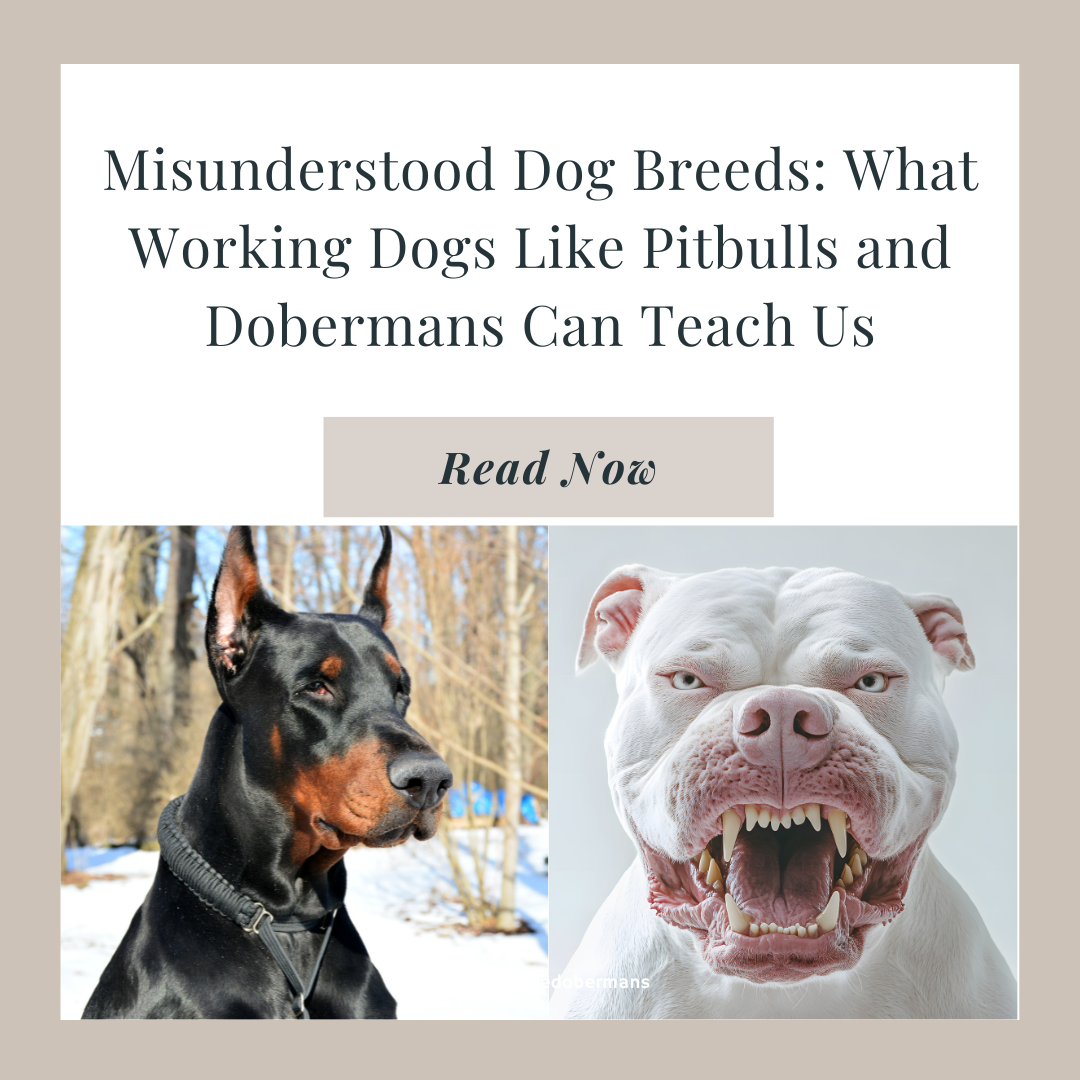
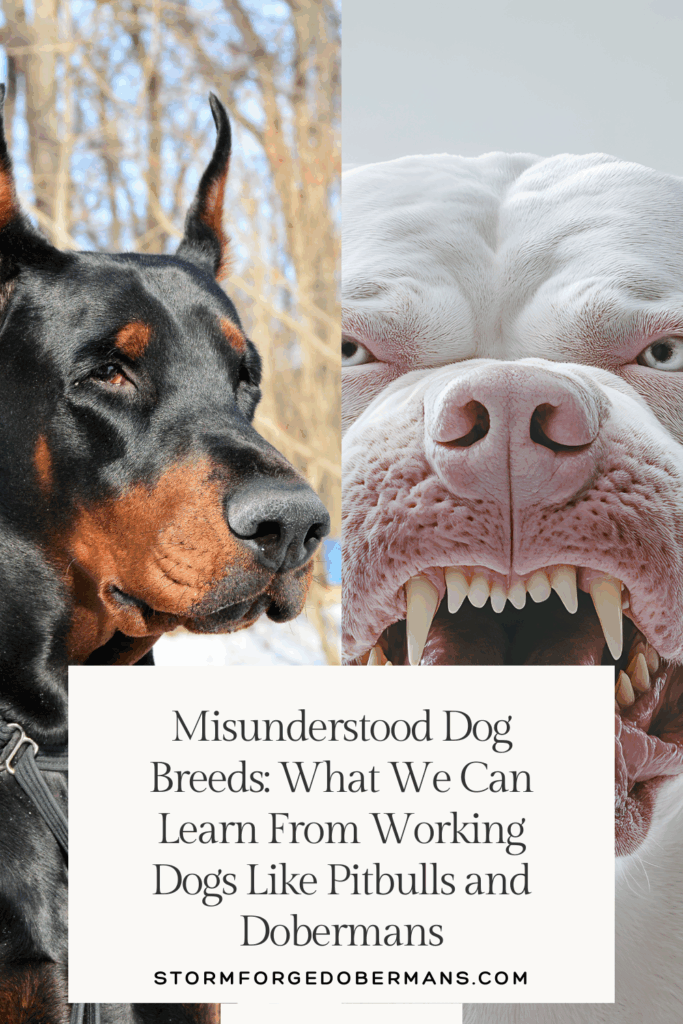
Dangerous dog breeds like Pitbulls and Dobermans are often labeled long before anyone understands them.
And believe me when I say, I use the term “dangerous dog breeds” to specifically indicate that I do not believe in breed specific legislation, nor that a dog breed entirely can be considered or classed as a dangerous dog breed all on its own. I merely use the terms dangerous dog breed in this post to highlight both the sarcastic nuance of such a phrase, and how often it gets thrown around to just refer to regular working line dogs of various breeds.
When you spend enough time around working and dangerous dog breeds, you start to see the same pattern repeat itself: a dog becomes popular, misunderstood, poorly managed, sensationalised by the media, and then blamed for behaviours that usually come down to human failures.
It has happened to Pitbulls, to Dobermans, to German Shepherds, to Rottweilers, and, more recently, even to breeds like the Belgian Malinois.
The cycle looks new every decade, but the root causes never really change.
This isn’t a defence of any breed.
It’s an examination of how stigma forms, why certain dogs end up wearing it more heavily than others, and what responsible handlers can learn from that pattern.
Because beneath every headline and every breed ban is a deeper truth about human responsibility, selective breeding, and the gap between what a dog was designed to do and what the average household expects of them.
Understanding stigma isn’t just a cultural conversation. It’s a training and temperament conversation too.
Table of Contents
How Stigma Forms Around Working and Dangerous Dog Breeds
Certain breeds draw attention because their original purpose involved strength, drive, or intensity.
- Pitbull-type dogs were developed for bull-baiting and later farm and utility work.
- Dobermans were bred as protection dogs for tax collectors and police.
- Rottweilers drove cattle and guarded stock.
- German Shepherds were herding and boundary-control dogs with high prey drive and strong defence instincts.
A dog bred for hard tasks naturally carries traits suited for those tasks. Not “aggression,” but drive, tenacity, recovery, nerve, and sensitivity to human cues. Those traits become dangerous only in the absence of training, structure, or appropriate management.
The public rarely sees the nuance. When a working breed succeeds, it’s “impressive.” When one fails, it becomes “dangerous” and is labelled as a dangerous dog breed. And over time, a reputation forms—one that rarely matches the reality of well-bred, well-handled dogs from those same lines.
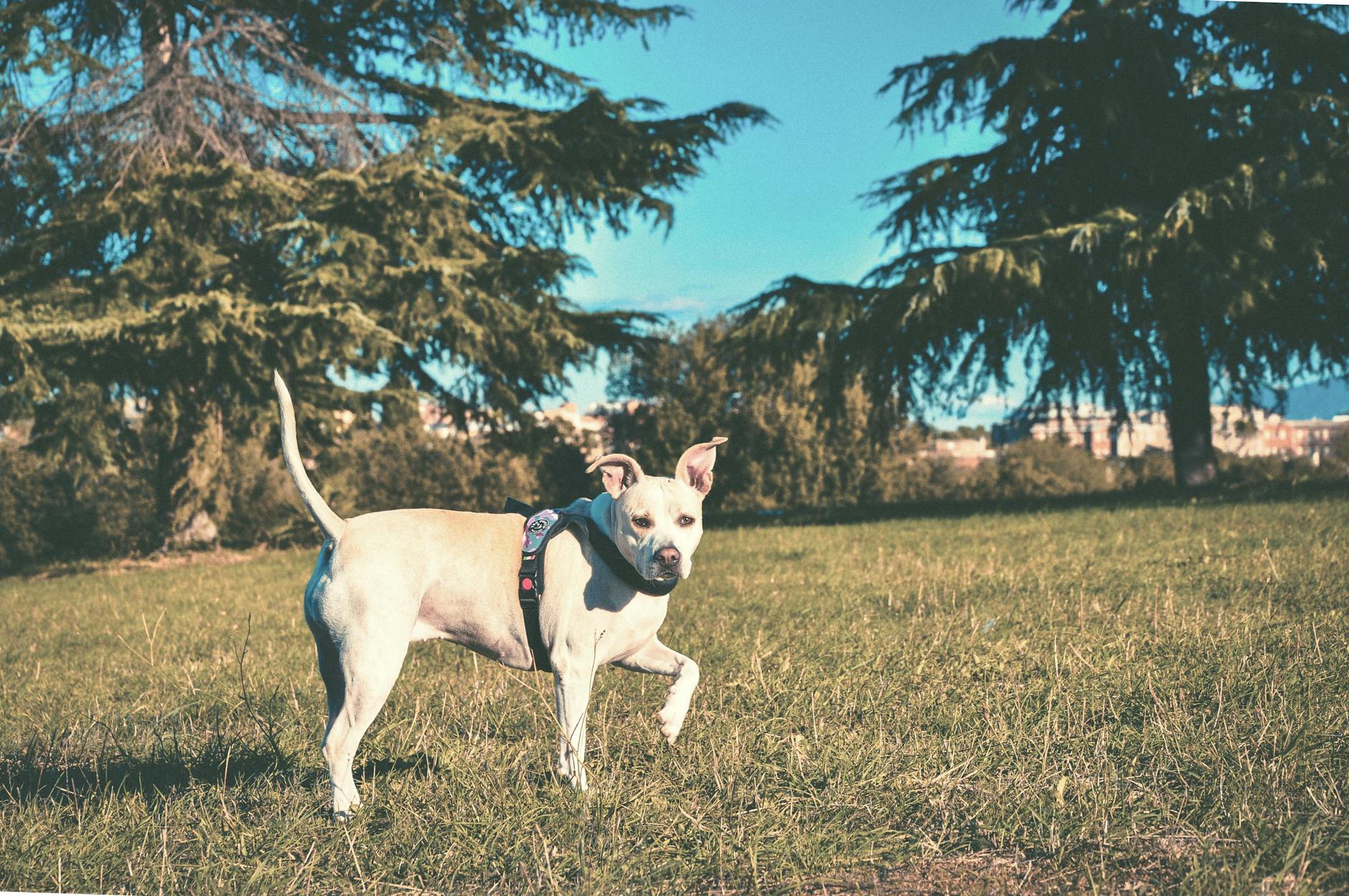
What Misunderstood Breeds Can Teach Us
When you strip away headlines, fear, and the constant pressure of public opinion, misunderstood breeds end up teaching us more about humans than they ever do about dogs.
Their stories reveal patterns in how we judge behaviour, how quickly we label what we don’t understand, and how rarely we take responsibility for shaping the animals we bring into our homes.
The first lesson is that drive isn’t the enemy—ignorance is.
Breeds like Pitbulls, Dobermans, Rottweilers, and Malinois were never designed to be neutral, passive companions. They were bred with purpose: gripping, guarding, pulling, herding, dispatching vermin, carrying messages, protecting livestock, defending property.
When that purpose gets ignored, suppressed, or misunderstood, the traits bred into them don’t disappear. They spill sideways into frustration, reactivity, insecurity, or conflict.
The dogs aren’t the problem; the mismatch between genetics and lifestyle is.
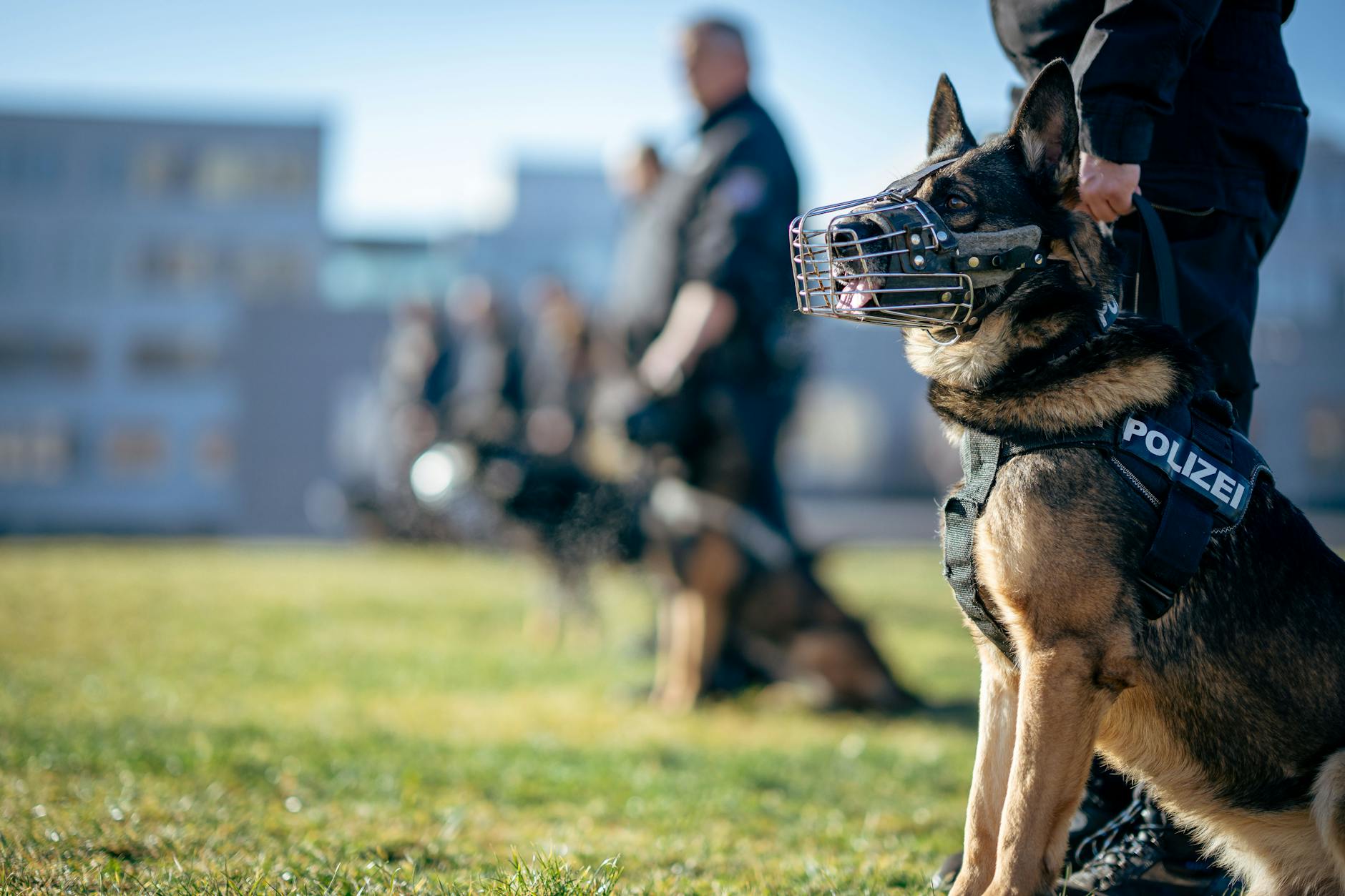
The second lesson is that behaviour is rarely random.
A dog who bites, growls, spins, paces, or escalates in the wrong context isn’t “bad.” They’re underprepared, overwhelmed, or navigating a world that clashes with the instincts they were born with. Misunderstood breeds force us to pay attention to root causes instead of symptoms.
The third lesson is about how much environment shapes outcome.
Give a high-prey animal no structured outlet to chase or grip and you will see displacement. Put a watchdog in a suburban home with no guidance on thresholds or boundaries and you will see hypervigilance.
Breeds with power and intensity become the mirror that reflects how consistent—or inconsistent—the human truly is.
The fourth lesson is that drive and affection are not opposites.
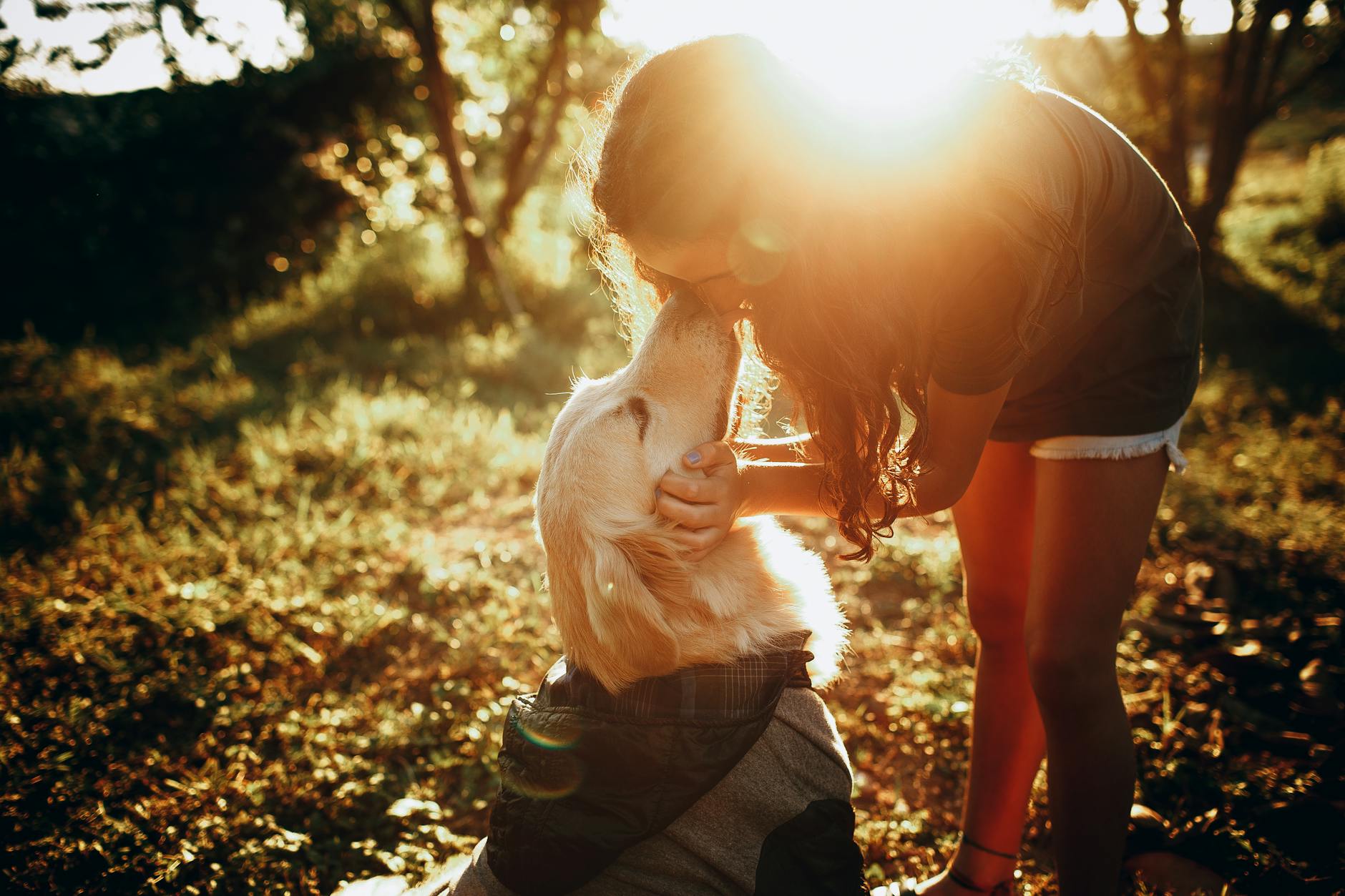
Working breeds don’t love less because they work more. In fact, the dogs most likely to protect, search, grip, and give their bodies to the task are often the softest with their people. They teach us that strength and sensitivity can coexist, and that loyalty isn’t something you command—it’s something you earn through relationship.
And finally, misunderstood breeds teach us the most humbling lesson of all:
we cannot shortcut respect.
When you handle a dog built for real work, you learn quickly that connection matters more than control, and knowledge matters more than confidence.
If you push too fast, skip steps, or train emotionally, they will expose every crack in your foundation. Not because they’re defiant, but because their behavioural thresholds sit closer to the surface.
These breeds remind us that responsibility doesn’t end at ownership. It begins with understanding what you’re asking the dog to be, and whether you’re equipped to meet them where they are. They show us how powerful a partnership can become when instinct, environment, and handler awareness finally align.
Dangerous dog breeds often become labelled as such due to human influence. We are doing our dogs a disservice.
Bite Statistics: What the Data Actually Shows
Bite statistics are the most commonly misquoted and misunderstood part of this conversation.
Many people cite numbers from the 1990s or early 2000s, often pulled from studies that have been publicly criticised for flawed methodology.
Here’s what reputable organisations say:
- The CDC (Centers for Disease Control) conducted a well-known study in 1998 but later stated explicitly that it could not be used to identify dangerous breeds. They discontinued breed-based reporting because visual identification is unreliable and because most bite incidents involve multiple contributing factors unrelated to breed.
- The AVMA (American Veterinary Medical Association) reviewed over 20 years of global data and concluded that breed is not a reliable predictor of bite severity or frequency. Instead, the strongest risk factors are:
- intact males
- lack of socialisation
- irresponsible ownership
- absence of supervision
- abuse or neglect
- dogs kept on chains
- lack of training
- Multiple peer-reviewed studies across the US, Canada, the UK, and Australia show the same pattern: breed is far less relevant than management, environment, and training.
This doesn’t mean all breeds are the same—working dogs absolutely differ in drive, thresholds, and genetics. It’s those genetics that when mismatched between wrong owner/handler and dog, that the stigma of a dangerous dog breed emerges.
But the idea that one or two breeds account for most severe incidents isn’t supported by modern data.
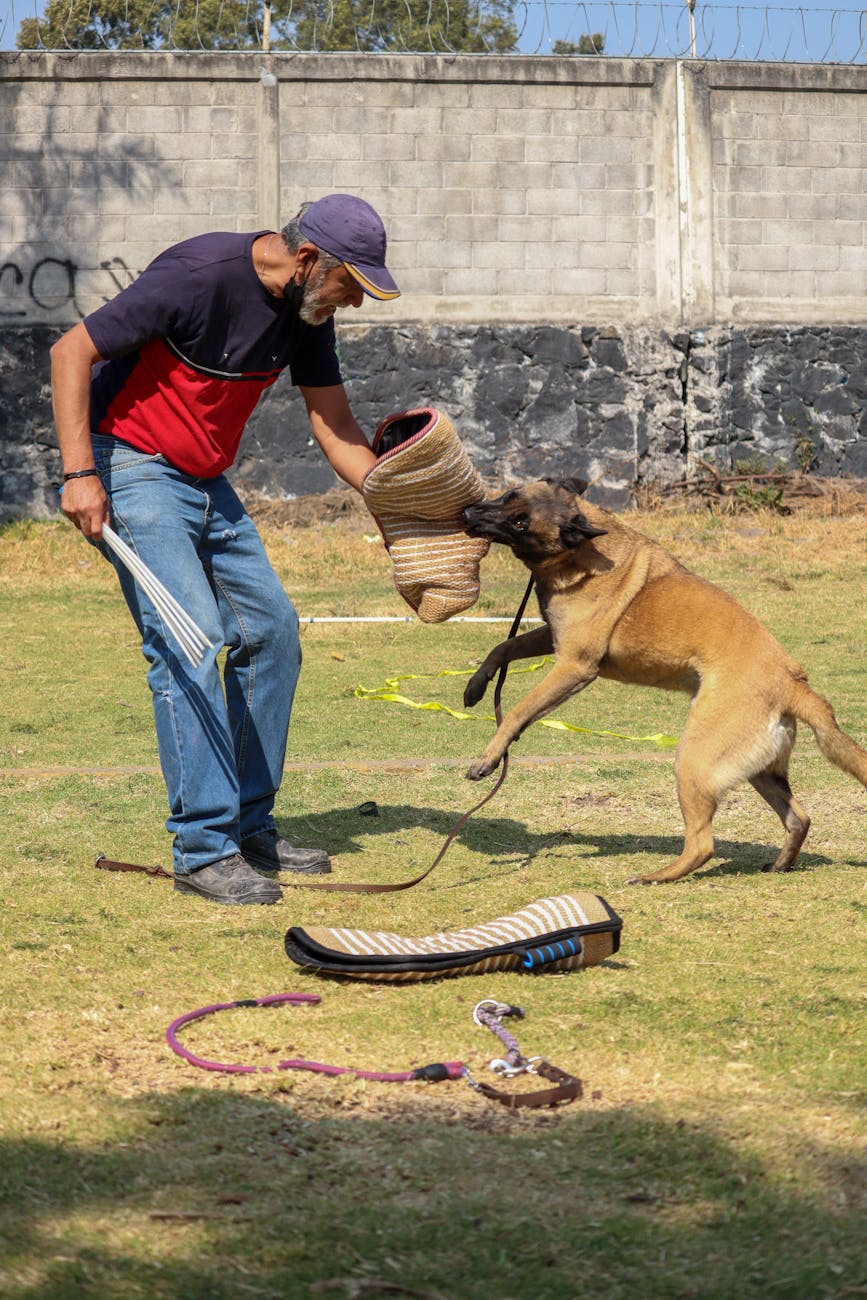
Understanding Breed-Specific Legislation (BSL)
When we talk about misunderstood breeds, it’s impossible to separate public perception from the legal frameworks built around them.
Breed-Specific Legislation didn’t appear out of nowhere; it grew from fear, from isolated incidents amplified into national headlines, and from a long history of assuming certain dogs are dangerous dog breeds by default.
The problem is that these laws rarely reflect the actual behaviour of individual dogs. Instead, they categorise entire breeds—or even dogs that simply look like those breeds—as risks to be controlled.
Looking at BSL globally helps show just how different the rules can be depending on where you stand.
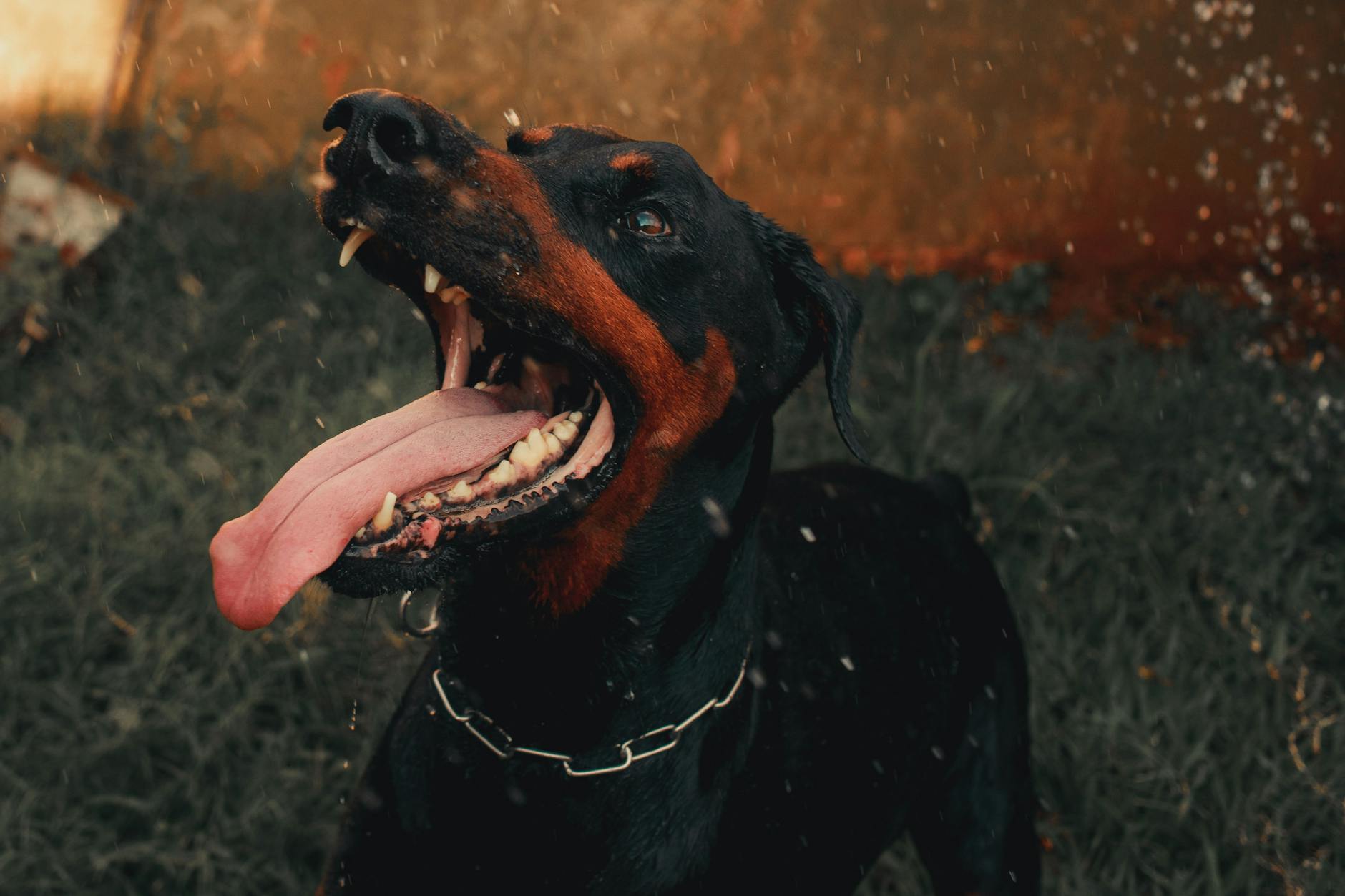
Some countries ban specific breeds outright. Others regulate ownership through muzzling requirements, registration, or mandatory training. In some places, the Doberman is on the restricted list; in others, it’s the Pitbull or any dog with a square head and a muscular frame.
That inconsistency alone tells us something important: stigma isn’t rooted in consistent data. It’s rooted in interpretation.
Understanding where these laws exist and how they operate adds depth to any discussion about working dogs. It shows how public policy often lags behind modern temperament testing, ethics in breeding, and what trainers already know—that behaviour is shaped more by environment, genetics, training, and handler skill than by breed label.
Examples of Breed-Specific Legislation Around the World
The below table highlights examples of breed specific legislation around the world.
| Country / Region | What’s Restricted or Regulated | Notes / Context |
|---|---|---|
| United Kingdom | Under the Dangerous Dogs Act 1991 and later amendments, breeds such as the Pit Bull Terrier, Japanese Tosa, Dogo Argentino, Fila Brasileiro, and (recently) XL Bully are banned or tightly controlled. | Dogs that “appear” to be of a prohibited type can be seized or subjected to restrictions, even without pedigree confirmation. |
| Ireland | The Control of Dogs Regulations 1998 lists 12 restricted breeds, including the Doberman. These breeds must be muzzled and on a short lead in public, with a handler over 16. | A notable example because it includes Dobermans specifically. |
| Austria(selected states) | Some states restrict or ban fighting-type or “dangerous” breeds, including Pit Bull types and certain molossoid or working breeds. | Legislation varies by state, illustrating inconsistency even within a country. |
| Germany | Several breeds considered “dangerous,” often including Pit Bull types, have restrictions on importation, ownership, or breeding. | Reflects long-standing federal and state-level debate over BSL. |
| Poland | Maintains a list of “aggressive dog breeds” that require permits for ownership or breeding. | Shows an example of regulated ownership rather than outright bans. |
| Spain | A 2002 royal decree restricts several breeds categorized as potentially dangerous, generally including fighting-type dogs. | Often referenced in discussions around European BSL. |
| Norway | National-level bans or restrictions exist on several breeds, including those categorized as fighting or dangerous types. | Demonstrates that strict BSL appears even in countries with strong animal-welfare standards. |
| Switzerland | Restrictions vary by canton; some have strict BSL, others none. | Highlights that BSL can differ widely even within one national system. |
| Global Overview | At least 84 countries worldwide have some form of BSL (bans, import restrictions, ownership regulations, mandatory muzzling/insurance). | Useful for emphasizing global stigma and legal impact on working breeds. |
Why Breed Bans Don’t Work
Breed Specific Legislation (BSL) is usually the government response to public fear. Countries like the UK, Australia, Denmark, parts of Canada, and parts of the US have historically banned or restricted certain breeds, especially Pitbull-type dogs.
The problem?
There is no evidence that BSL reduces dog bites.
Studies from the UK (post-Dangerous Dogs Act), Ontario, and multiple US municipalities all found no statistically significant decrease in dog bite frequency or severity after breed bans were enacted.
The key reasons:
- Misidentification – Up to 60% of dogs seized under BSL are incorrectly labelled by appearance alone.
- The wrong variable – The behaviour of a dog is shaped more by owner behaviour than genetics.
- Resource misallocation – Focusing on breed diverts attention from actual risk factors: training, supervision, and welfare.
- Drives stay the same – Banning a breed doesn’t remove the underlying human demand for high-drive dogs. The market simply shifts to another misunderstood breed next.
In other words: you cannot legislate your way out of irresponsible ownership.
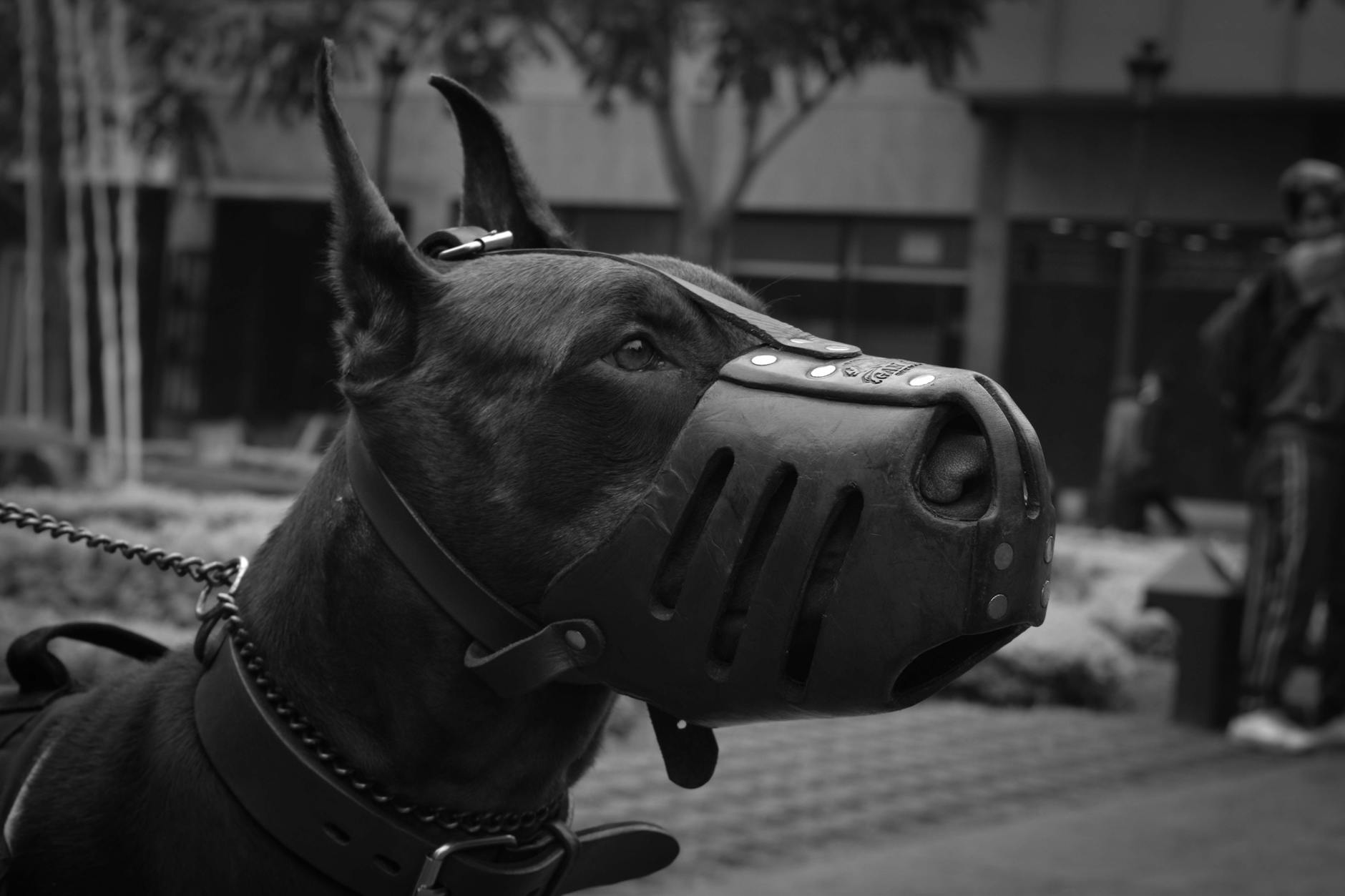
Historical Roles: Why These Dogs Were Created
To understand stigma, you first have to understand purpose.
Working breeds were not bred to exist politely in suburbia. They were designed for specific tasks that required physical and emotional intensity.
Dobermans
Created in the late 1800s by German tax collector Louis Dobermann, the Doberman was bred as a protection dog—sharp, handler-focused, courageous, and highly trainable. They moved quickly from personal protection to police and military roles. Their mix of prey drive, defence thresholds, and loyalty made them ideal service dogs long before many modern breeds existed.
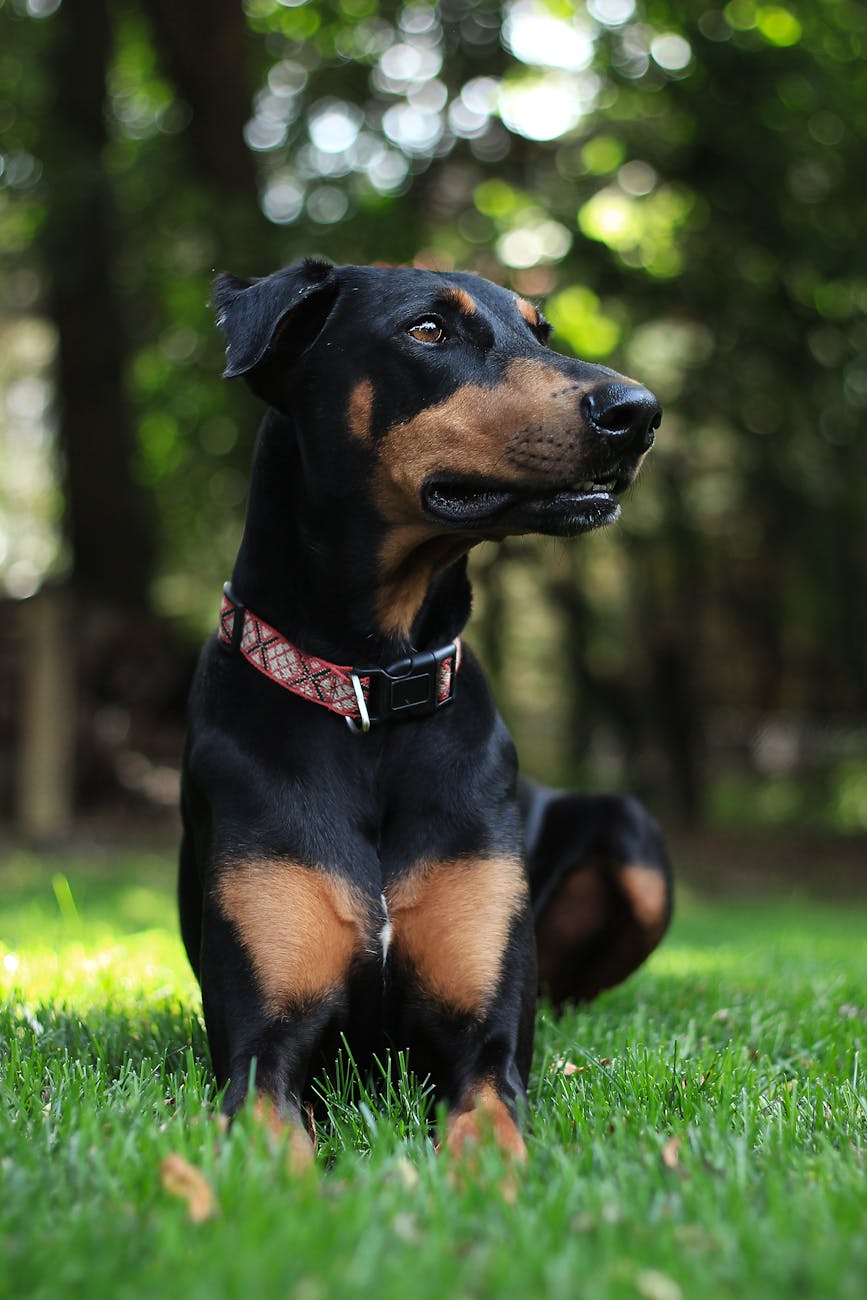
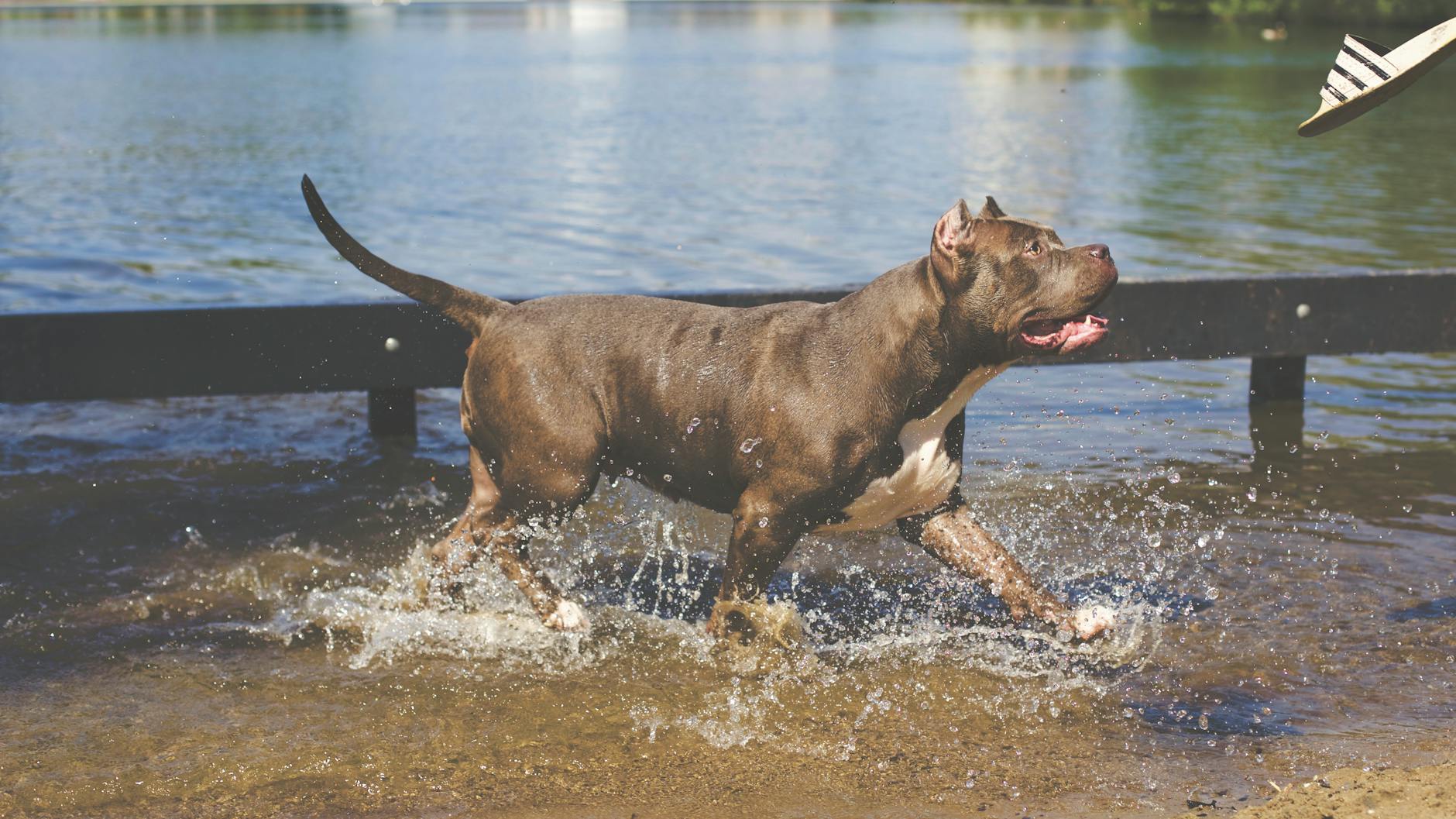
Pitbull-Type Dogs
Contrary to myth, Pitbulls were historically known as “nanny dogs” due to their stability and tolerance around children. Early photographs show them consistently alongside families. Their original roles varied: hunting, farm utility, vermin control, and companionship. Their drive traits were selected for tenacity—not human aggression. In fact, handlers culled dogs who showed poor temperaments around people.
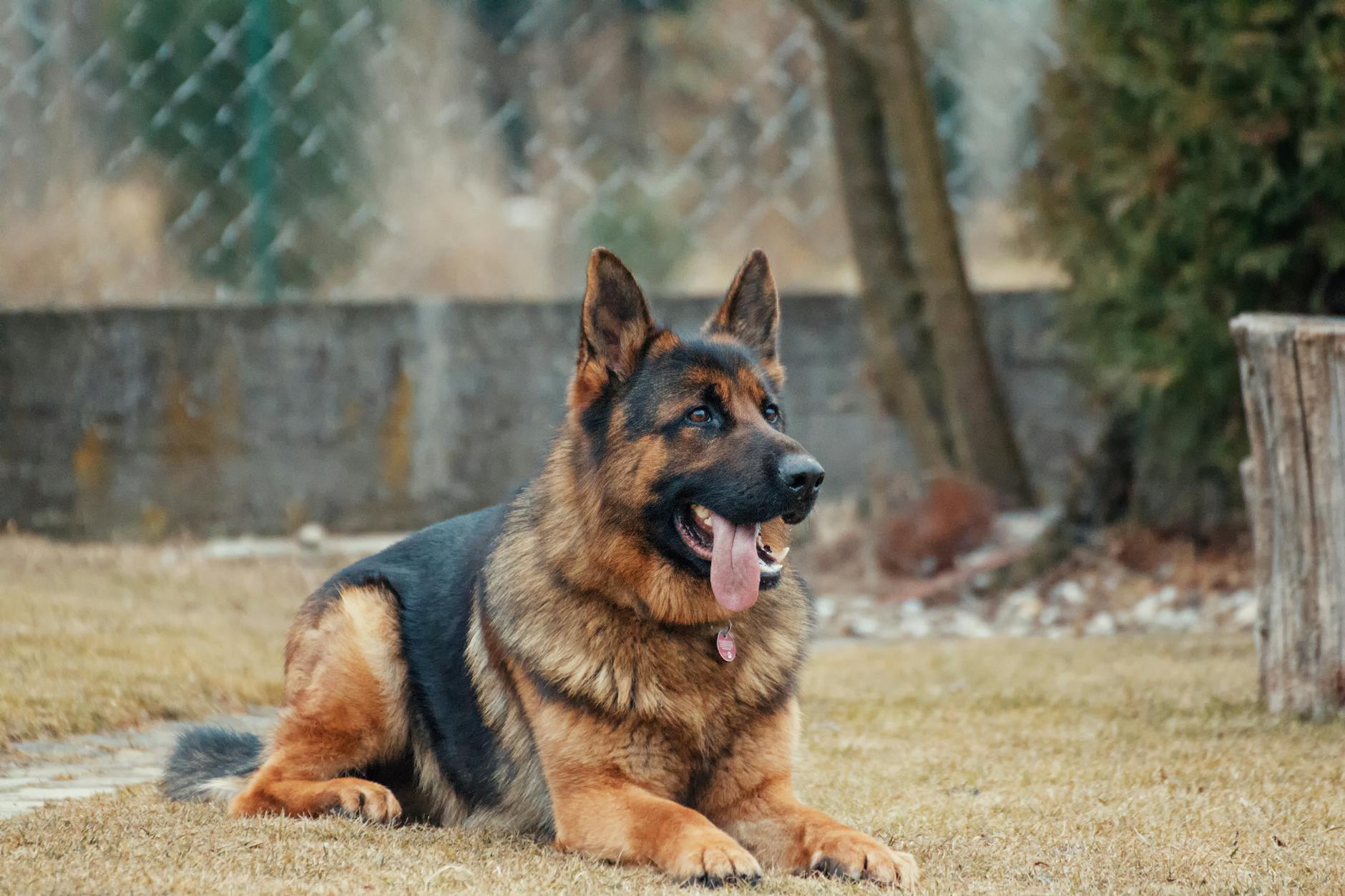
German Shepherds
Developed for herding and boundary control, GSDs were prized for intelligence, biddability, and the ability to switch between prey drive and defence quickly. They became foundational to modern police K9 programs.
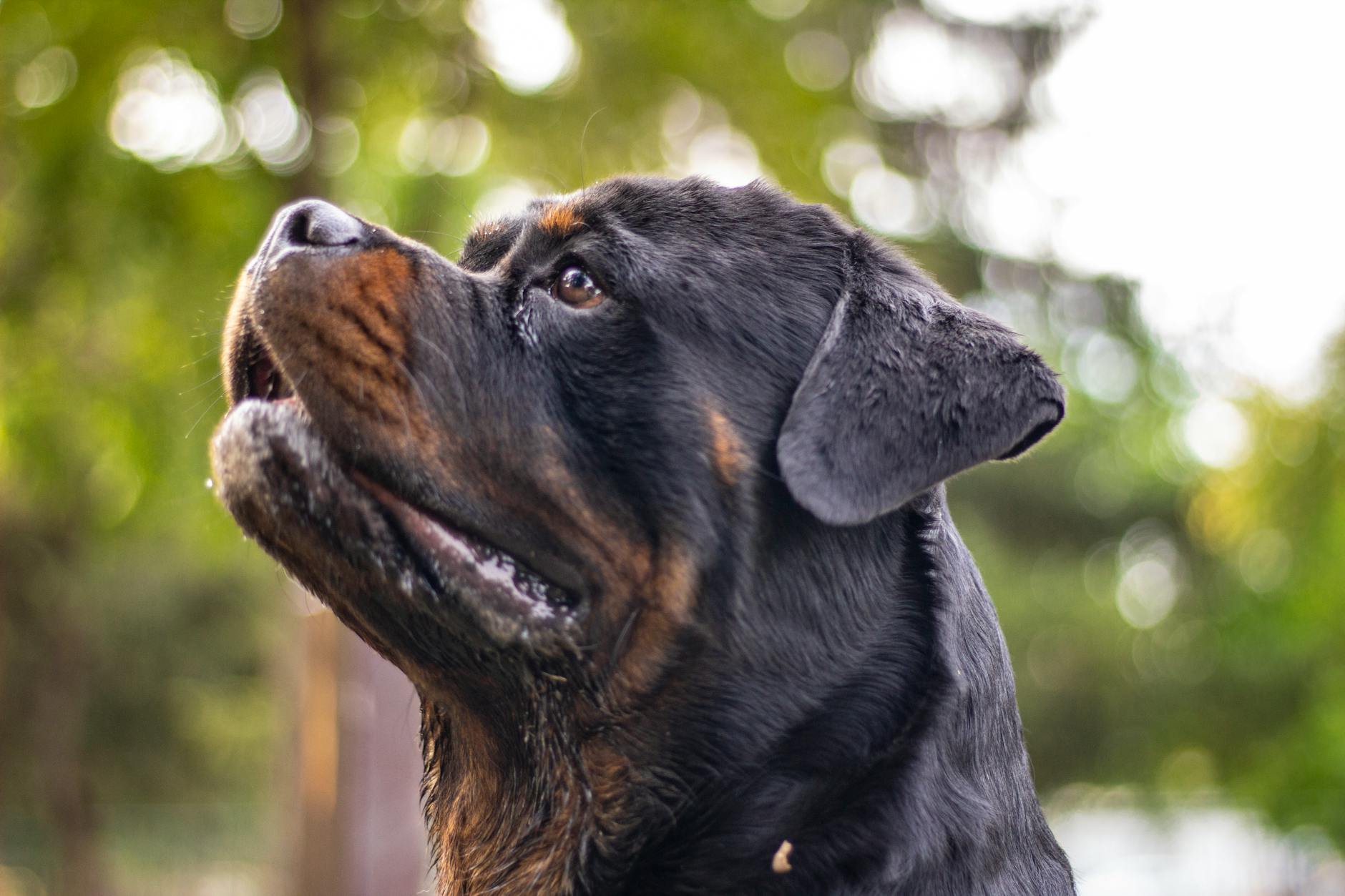
Rottweilers
One of the oldest European working breeds, Rottweilers were cattle drovers, cart-pullers, and guardians. Their power and presence made them indispensable in rural Europe.
Every breed on this list was created for a job. The stigma forms when society forgets the job and treats a working animal like a household ornament.
Temperament Testing & What It Tells Us
Modern temperament evaluations—such as the Volhard Puppy Aptitude Test, Wesen test, Campbell test, ATTS evaluations, or structured assessments used in police/military programs—show that temperament is multidimensional. It considers:
- prey drive
- nerve
- startle recovery
- human sociability
- environmental stability
- confidence vs uncertainty
- ability to regulate under pressure
No responsible evaluator would ever reduce this to “breed equals behaviour.” That thinking ignores the actual variables: genetics, early development, training, structure, and handler consistency.
It’s the same as saying all Clydesdales can only haul logs or till fields, when in fact they are emerging as amazing sport horses in a lot of disciplines by owners who refuse to accept traditional equestrian norms and challenging the status quo.
Interestingly, many Pitbulls and Dobermans score extremely well in stability, sociability, and recovery when bred responsibly. The pitfall is not the breed—it’s the lack of selective breeding in backyard or high-volume operations, where puppies receive little socialisation.
Why Working Breeds Struggle in Pet Homes
Working dogs excel when their environment aligns with their genetic purpose:
- predictable structure
- clear communication
- regular energy circulation
- mental engagement
- responsible handling
- boundaries
Where they struggle is in homes that treat them like lifestyle accessories.
A Doberman bred for clarity and task focus cannot thrive in an environment where the owner never trains impulse control.
A Pitbull bred for resilience and tenacity becomes frustrated when left alone for long periods without stimulation.
A Malinois—arguably the most extreme example—can become destructive, anxious, or unsafe when their needs aren’t met.
The problem is not the dog. The problem is the mismatch. And a dog being labelled as a dangerous dog breed often comes from people who have owned them and not done right by them, causing the issues they fear.
The Role of the Media in Breed Stigma
Media rarely reports dog bites with any context.
Identification is often based on appearance, not genetics.
Many mixed dogs are labelled “Pitbulls” because of broad head shape alone. A 2015 study showed that even veterinarians misidentify breeds by sight more than 50% of the time.
When one type of dog is blamed for everything, it shapes public perception—even when the underlying data contradicts the narrative.
What Responsible Handlers Can Learn From Stigma
Whether you work with Dobermans, Pitbulls, Malinois, Shepherds, or any high-drive breed, stigma becomes a teacher. It forces you to be more aware, more consistent, and more in tune with your dog’s genetics.
Here are the lessons working-breed handlers can take from the past century of public fear and misunderstanding:
- Training is not optional.
A working dog without an outlet becomes unstable. - Public education matters.
Most people have never seen a well-trained working dog. Your dog becomes their reference point. - Management is a skill.
Structure isn’t harsh—it’s clarity. It prevents rehearsed mistakes. - Temperament is more important than breed.
A stable dog from strong genetics will always outperform a poorly bred or poorly raised dog of any breed. - You’re always communicating for your breed.
Fair or not, people will judge the entire breed by your one dog’s behaviour.
Final Thoughts: Beyond the Headlines
Working and dangerous dog breeds have always lived between two worlds—admired for their ability and feared for their power. But the truth is simpler: dogs behave according to their genetics, their environment, their training, and their handler.
Stigma disappears when responsibility appears. Education replaces fear. Structure replaces chaos. And understanding replaces assumption.
As handlers, the best thing we can do is honour the purpose these dogs were bred for, advocate for their fair treatment, and show the public what balanced, respectful, well-worked dogs truly look like.
Misunderstood breeds don’t need defending as much as they need clarity—from their breeders, their handlers, and the systems that regulate them. And the more we learn from the past, the better we become at ensuring these dogs get the lives they were bred to thrive in.
If you found this helpful, you can follow more of our training notes, working-dog insights, and field updates on the Stormforge blog. Every post is written from real sessions, real dogs, and the ongoing learning curve of raising working-line Dobermans.
Leave a Reply