By the time December rolls around, I always find myself looking back more than forward. This is usually the point in the year when I realise I need my own handler reset, not just a training review.
A handler reset is the way I close out each year—slowing down long enough to look at my energy, my dogs, and the patterns that shaped our training season.
The year’s training sessions blur together—good ones, hard ones, moments that made me proud and others that left me questioning my own timing.
This reflection used to feel uncomfortable, as if I were auditing mistakes. Now I see it more like maintenance. Just like our dogs need recovery days, handlers need resets too.
A reset isn’t about quitting or abandoning the goals we had in January. It’s a return to awareness. It’s taking stock of what worked, what didn’t, and how our own energy shaped every outcome in between.
I don’t write this from a place of mastery but from a place of practice—someone who is still learning through every repetition, misstep, and breakthrough.
Someone who realises more each year that the handler evolves just as much as the dog.
Table of Contents
Why a Handler Reset Matters
Working dogs evolve fast, but so do the people holding the leash. The more we push for progress, the easier it becomes to stay in forward motion without noticing the fatigue creeping in.
Mental fatigue shows up as overthinking. Emotional fatigue shows up in tone, posture, and timing. And physical fatigue sits in the background, tightening the handler’s body until communication gets muddy.
The handler’s nervous system burns out just like the dog’s.
But the difference is that dogs don’t lie about how they feel. Handlers do.
We tell ourselves we’re fine. We tell ourselves that one more session will fix whatever isn’t clicking. We also fake our feelings on the outside, but our dogs feel what we are trying to mask.
And before we know it, we’re carrying tension into the next session without realising we’re the ones bringing it in.
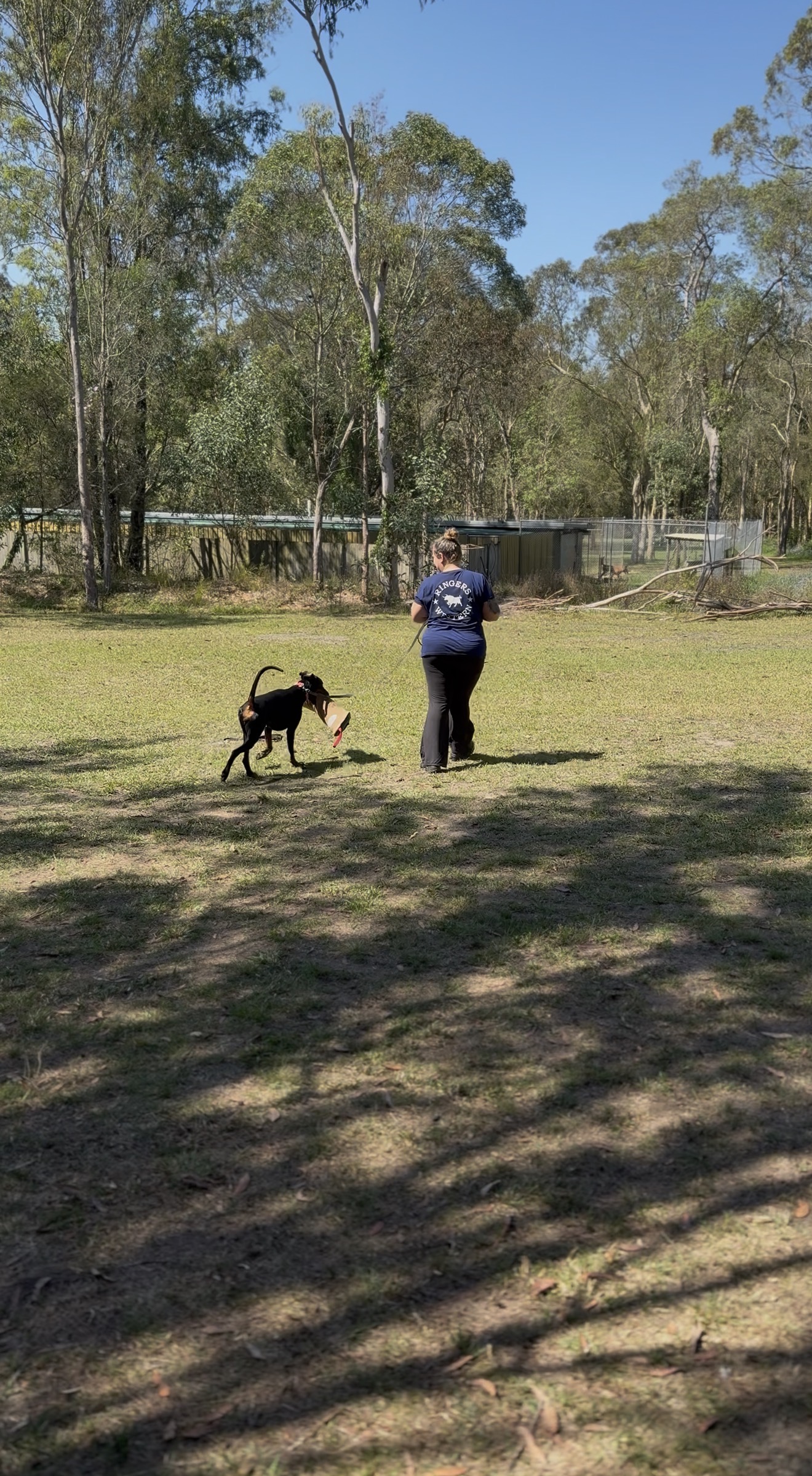
When I first started protection work with Jett, I thought more exposure automatically meant more growth. More reps, more drills, more scenarios. I’d drive home after sessions replaying every error, analysing what I could fix next time.
That pattern felt productive until it wasn’t. Eventually I realised I was teaching her that pressure never ended. I was conditioning both of us to stay “on.”
And a dog that’s always on will eventually crash. So will a handler.
A reset breaks that loop. It lets the nervous system breathe so communication feels clean again.
Learning to recognise when we’re drifting into tension is the first step of any meaningful handler reset.
What a True Reset Actually Means
A reset doesn’t mean starting over. It doesn’t mean stepping away from training for weeks or abandoning structure until January magically wipes the slate clean.
It means pausing long enough to see patterns with honesty. It means asking questions most of us avoid because they reveal more about us than about the dog.
- Am I training from curiosity or control?
- Does my dog’s energy reflect mine more than I realise?
- What moments this year made me feel proud as a handler?
- Which moments made me feel disconnected or rushed or impatient?
These questions form the backbone of a handler reset, because they slow you down enough to actually hear what your dog has been telling you all year.
These questions aren’t meant to shame anyone. They’re just a simple way to stay honest.
Awareness doesn’t demand perfection; it just asks for attention.
And the more attention we bring to our own state, the easier everything becomes for the dog.
Lessons From This Year
Every year shows me something different about my dogs and something different about myself. Every year things I thought I knew or understood continue to be challenged.
This year with Jett felt like stepping into a new stage of partnership. Her grip, nerve, and recovery have all matured, but more than that, her sensitivity to my energy sharpened.
Seeing how closely she mirrors my own state is what pushed me toward a more intentional handler reset this season.
When I’m steady, she settles into a rhythm that feels effortless. When I’m distracted or uncertain, she mirrors that just as quickly.
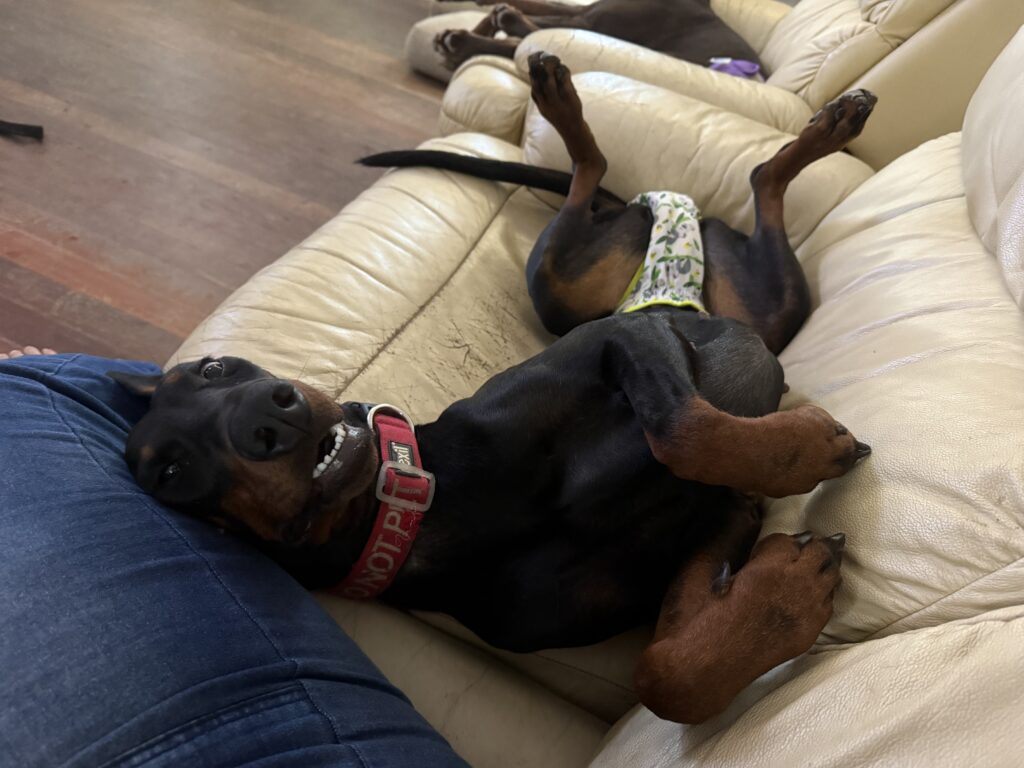
Cookie taught me an entirely different lesson.
She reminded me how structure heals confidence over time. Some dogs bloom slowly, but when they do, the foundation is rock solid.
Watching her relax into her skin this year reminded me that time does what pressure can’t.
You can’t rush a dog toward self-belief. You can only give them enough consistency that they start believing in the pattern.
These small lessons rarely show up as big moments.
They’re quieter: a faster recovery after a mistake, calmer energy at home, a slightly softer eye, a better handoff, a smoother outing.
Progress often hides in the background noise of daily life. And yet these subtle shifts are the ones that matter most because they tell you how the relationship is really forming.
The Emotional Inventory
I try to close each year with a short reflection ritual—not a list of goals, not a performance audit, just simple questions to gauge where my head and heart are sitting.
- What did my dogs teach me this year?
- Where did I lose patience, and what triggered it?
- Which habits made our home calmer?
- What patterns repeated under stress?
- What energy do I want to carry into the field next year?
This emotional inventory is part of my handler reset ritual every December.
Most of these questions have nothing to do with obedience, control, or skill. They’re emotional checkpoints.
When handlers fall into reactive patterns, dogs fall with them. When handlers move with clarity, dogs follow that too.
So understanding the emotional landscape is part of training, whether we admit it or not.
This process doesn’t need judgment. The point is simply to see things for what they were so the new year doesn’t start with old baggage.
Letting Go of Perfection
Every handler wrestles with comparison. We compare ourselves to other trainers, other teams, other dogs. We compare our progress to the version of ourselves we thought we’d be by now.
It’s a quiet and exhausting competition that no one wins.
Most of the pressure we place on ourselves dissolves once we’ve done a proper handler reset and stepped back into the work with steadier energy.
The truth is, the best handlers I have met aren’t flawless; they’re self-aware.
They adjust quickly because they notice sooner. They don’t take their own mistakes personally, and they don’t take their dog’s behaviour as a direct reflection of their worth.
They just stay curious. Curiosity is the antidote to perfectionism.
Jett reinforces this lesson every week. She doesn’t care how much I know or how much I don’t know. She only cares how present I am in the moment she needs me.
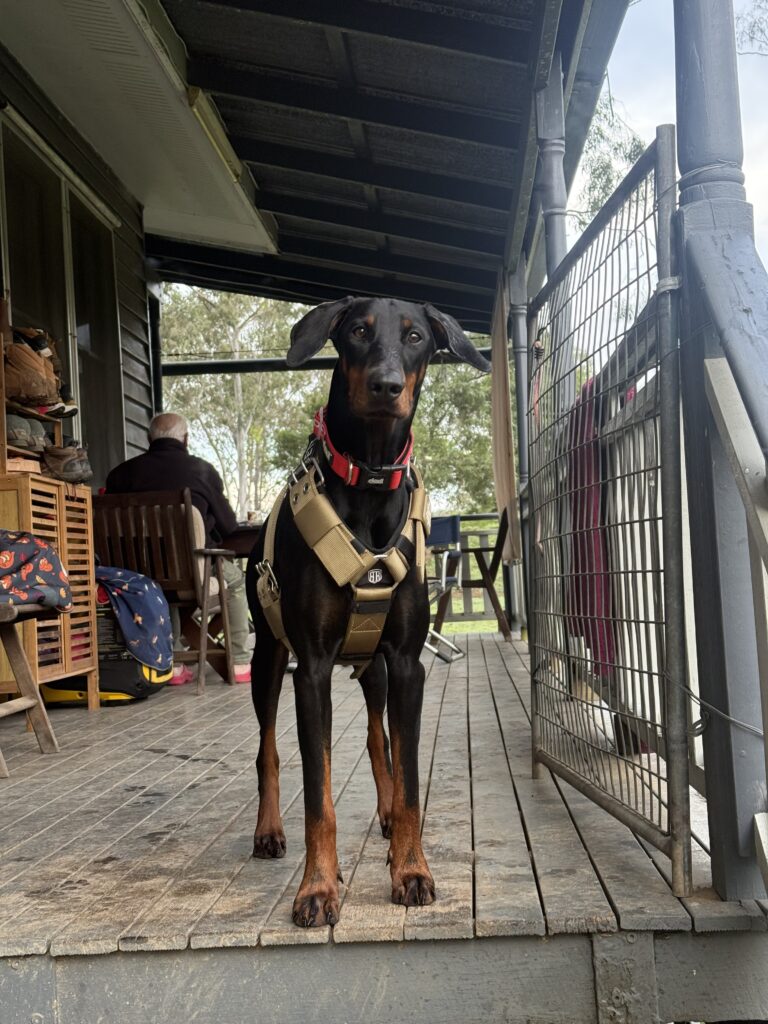
Dogs don’t chase perfection; they chase connection. And connection isn’t technical—it’s emotional. You can have clean obedience and still feel disconnected. You can have messy reps and still feel completely attuned.
Perfection has no place in the reset because perfection is what keeps people stuck. Awareness is what moves teams forward.
Reset Rituals That Actually Help
Everyone’s version of a reset looks different, but these are the ones that genuinely help me recalibrate my own awareness.
Reflective journaling: Once a week in December, I write about one lesson from training. Nothing polished. Just the moment, what I felt, and what it revealed.
Quiet walks without commands: Not training. Not shaping. Just being together in neutral energy. This is where connection settles back in.
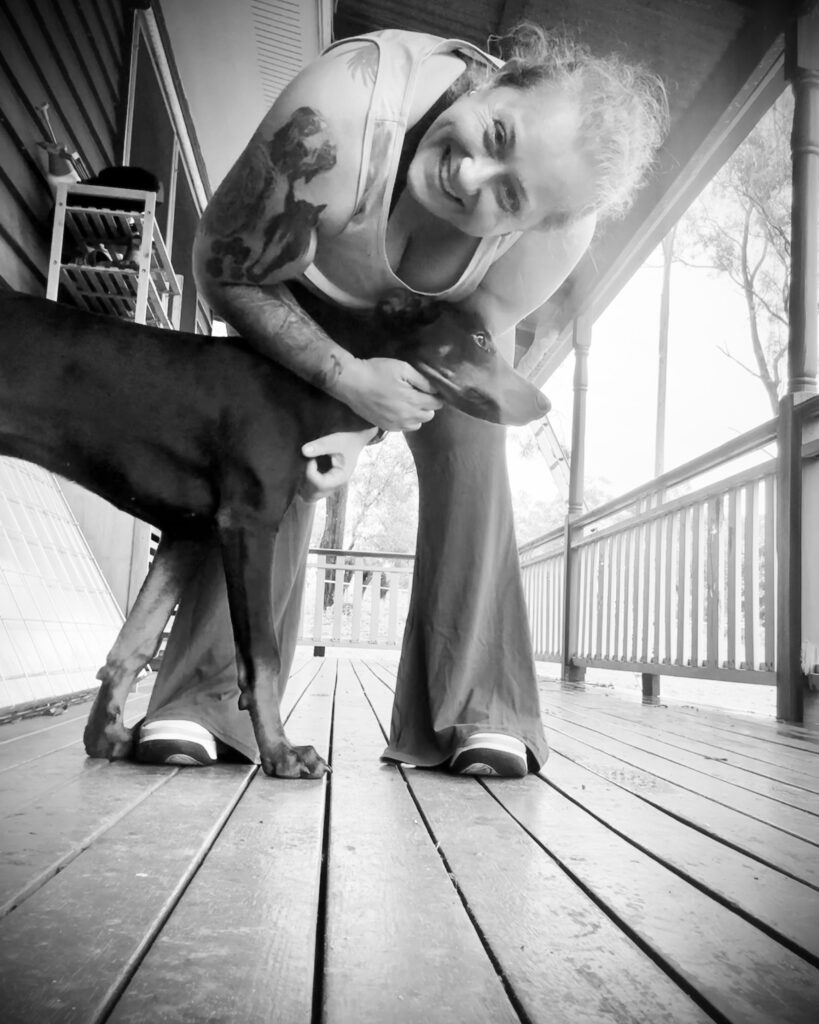
Reviewing old footage without criticism: Watching past sessions with a neutral mindset reveals patterns memory can’t. I see where tension showed up that I didn’t notice at the time. I see where her recovery was better than I thought. I see where my timing was rushed or where it was good. Neutral observation teaches faster than emotional replay.
Connection-based goal planning: Before I set any performance targets for 2026, I ask myself what energy I want to carry into training. Calm first. Curiosity second. Clarity third. Once those are set, performance grows naturally from them.
These small rituals anchor the reset. They bring me back into alignment before the new year starts piling expectations on top of habits that haven’t been examined yet.
The First-Week Goal Setting Ritual
Although December is for reflection, I always save goal setting for the first week of the new year. Goal setting feels different when it follows a proper handler reset, because you’re planning from clarity rather than exhaustion.
I’ve learned that if I try to set goals too early—while I’m still in the thick of December’s emotional inventory—I end up writing targets based on pressure rather than clarity.
By the first week of January, everything has settled. The dogs feel different. I feel different. The downtime between years creates enough distance that I can look at the bigger picture without getting tangled in the details of one bad session or one training plateau.
My goal setting isn’t complicated. I start with how I want the year to feel.
Do I want more calm in my handling?
More structure?
More curiosity?
Less reactivity from either of us?
Then I look at the dogs individually. I think about what each of them needs from me—what kind of leadership would bring out their best.
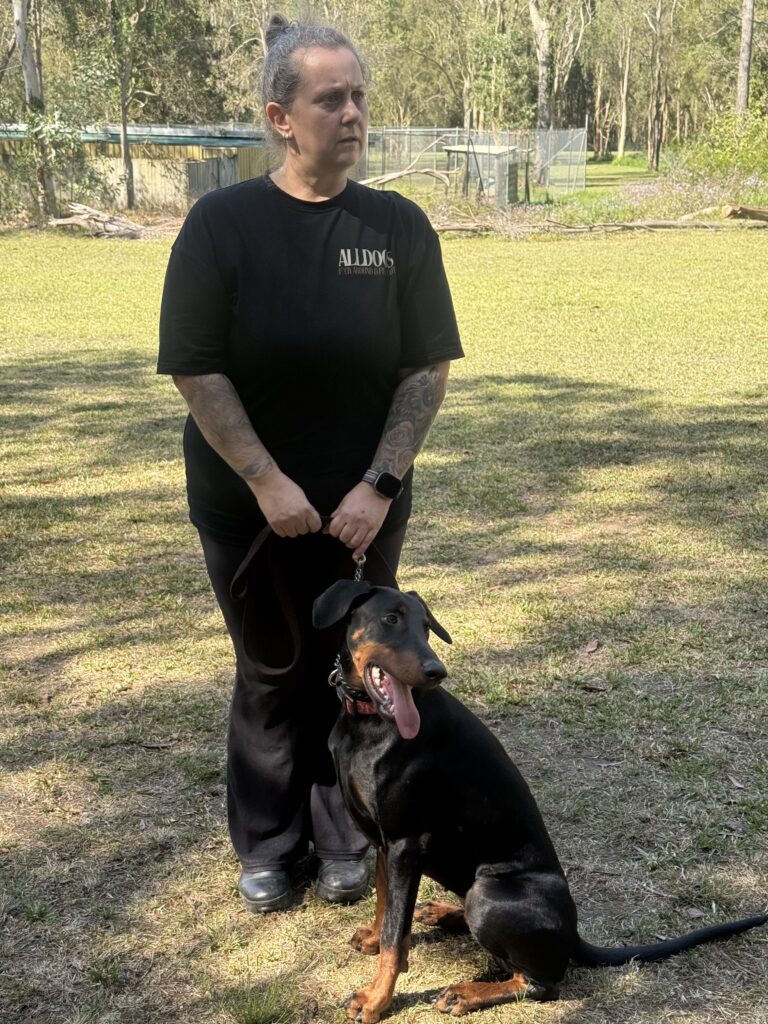
Jett might need clearer communication and more consistency in my timing.
Cookie might need stable routines and environments that allow her confidence to keep deepening.
Only once I’ve set the emotional tone do I write any training goals. And even then, they’re more like quiet intentions than rigid milestones.
Things like improving Jett’s clarity in transitions, tightening communication in obedience, or building more thoughtful recovery patterns. The specifics evolve over the year, but the direction stays steady because it’s built on awareness, not ambition.
This first-week ritual keeps me honest. It makes sure my goals reflect the dog in front of me—not the handler I imagine myself to be, or the image of progress I think I should have.
It anchors the entire year in purpose rather than pressure.
Setting the Tone for a New Year
A new year doesn’t erase the one before it. It builds on it. The handler who steps onto the field in January carries every repetition, every frustration, every triumph from the previous year.
The reset simply transforms that weight into clarity.
For me, 2025 became the year I stopped trying to control everything and started studying connection instead.
Connection between handler and dog, connection between thought and timing, connection between state of mind and state of behaviour.
That awareness changed everything. It slowed me down in the ways I needed and sped me up in the ways that mattered.
I want 2026 to refine that. Fewer words. Softer energy. Steadier rhythm.
Final Reflection
Resets aren’t dramatic. They’re not social media moments or big announcements.
They’re quiet recalibrations, the subtle pauses that keep everything aligned. Without them, clarity dulls and both handler and dog start repeating lessons they’ve already learned.
I am still learning this myself.
Every season shows me how much leadership begins with self-regulation.
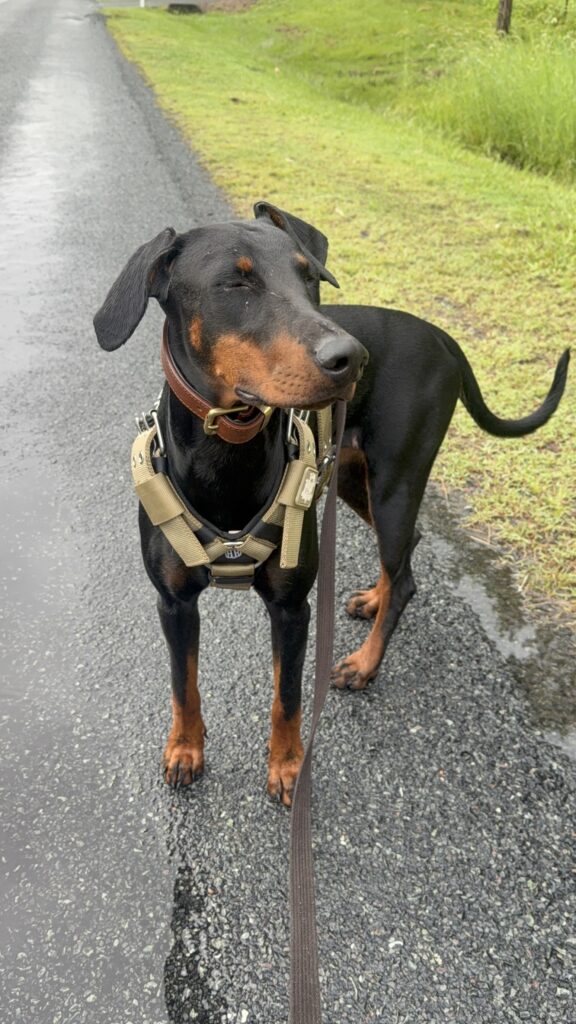
Every time I think I’ve mastered it, Jett shows me another layer. That’s the part I’ve grown to appreciate—the journey doesn’t really end. It just widens.
As the year closes, I’m not tallying achievements. I’m counting the moments of awareness. Each one is another thread in the connection I’m trying to build with my dogs.
Growth doesn’t live in ribbons or titles. It lives in the quiet moments when both of you finally exhale because you’ve done the work, learned the lessons, and can step into the next chapter lighter than before.
As the year ends, the handler reset is what helps me walk into the next chapter lighter, clearer, and more connected to my dogs.
Leave a Reply